

MASSAGE SERVICES IN SAN ANTONIO
Post-Op Lymphatic Therapy
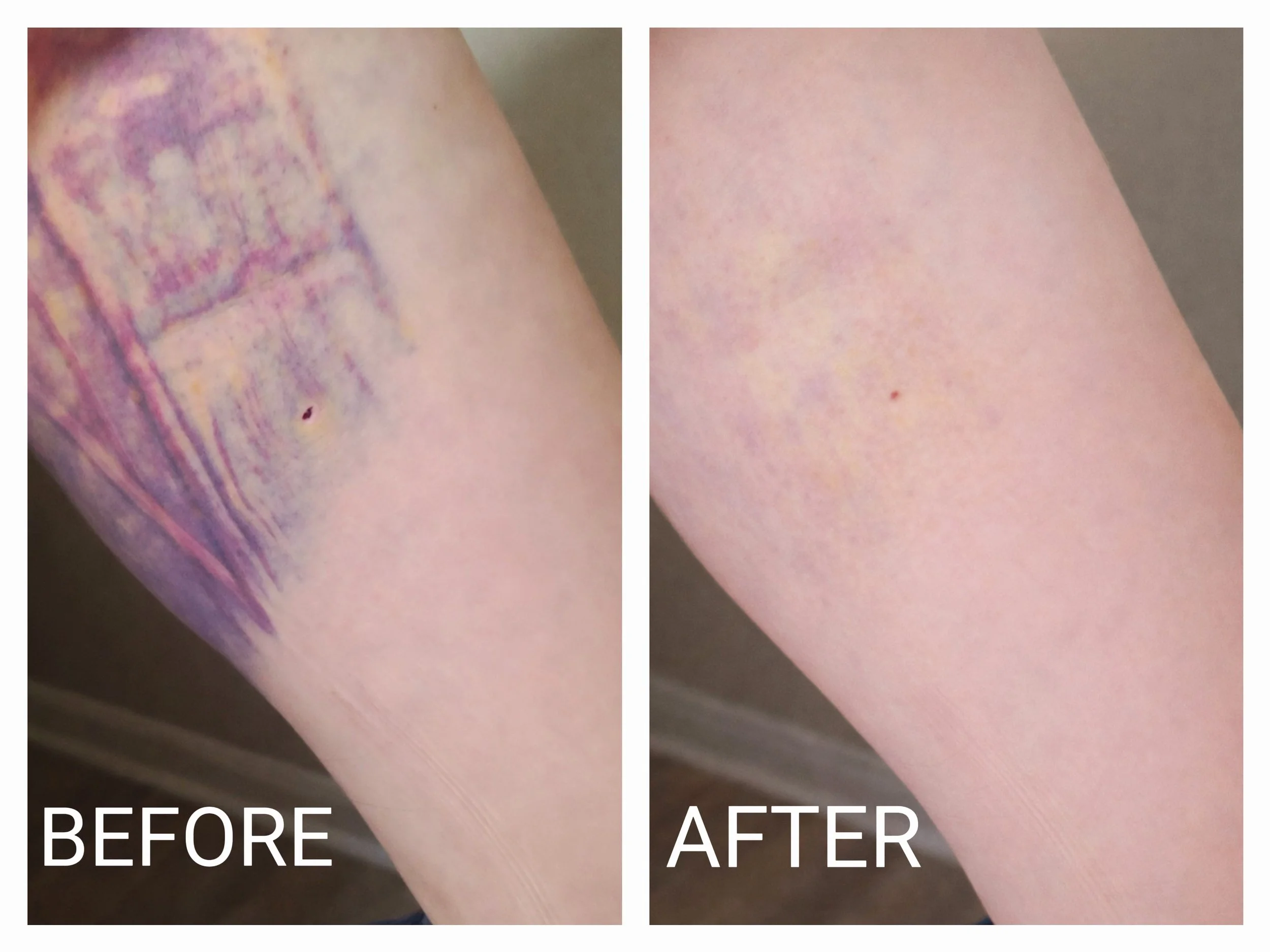
Post-op MLD helps faster recovery, reduce swelling, bruising, pain, tightness, correct fibrosis, lumps, and bumps. Commonly used after liposuction, breast augmentation, Brazilian butt lift (BBL), c-section, knee or hip replacement, and other cosmetic or medical procedures for best results. The Vodder Technique is the gold standard in lymphatic world.
Sessions conducted by our highly trained Certified Lymphatic specialist.
Pricing Wellness: $74/30min, $149/60min, $219/90min*
Wellness Manual Lymphatic Drainage Therapy (MLD)
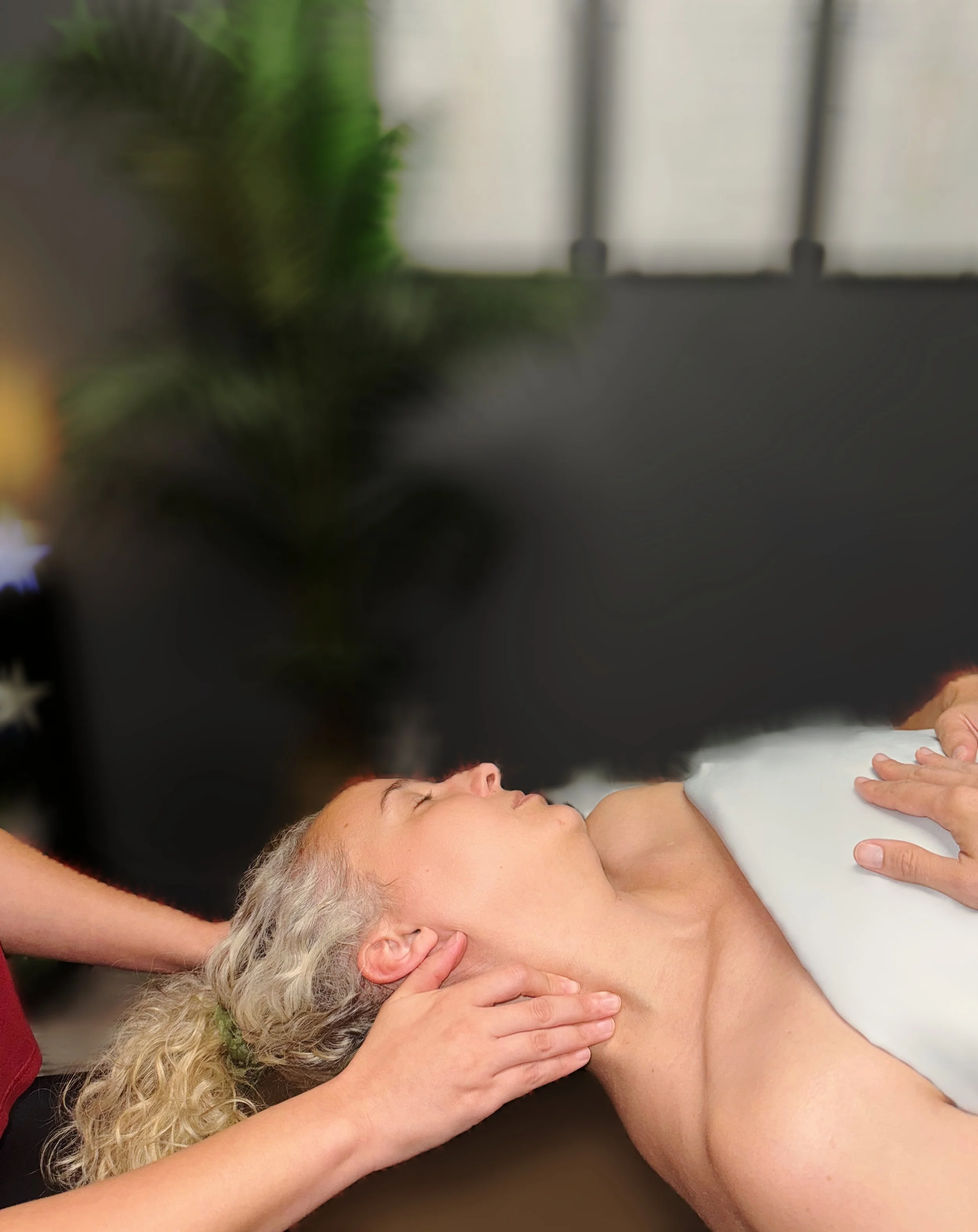
Our MLD specialist uses the Vodder technique, developed by Dr. Emil Vodder. This gentle therapy supports detoxification, reduces inflammation, boosts immune function, and may help relieve symptoms such as foggy brain, feeling heavy or sluggish, low energy, puffiness, and fluid retention. It’s also an excellent treatment before surgery to help prepare the body for optimal healing.
Sessions conducted by our highly trained Certified Lymphatic specialist.
Pricing Wellness: $129/60min, $189/90min*

Medical Massage
For individuals seeking for pain relieve, dealing with specific troubled areas, managing medical conditions that require extra care, or recovering from a car accident, injury, or chronic ailments. NOT full-body massage. Most effective and advanced techniques are applied.
Sessions are performed by advanced massage therapists
Pricing: $129/60min , $189/90min*
Lymphedema Therapy
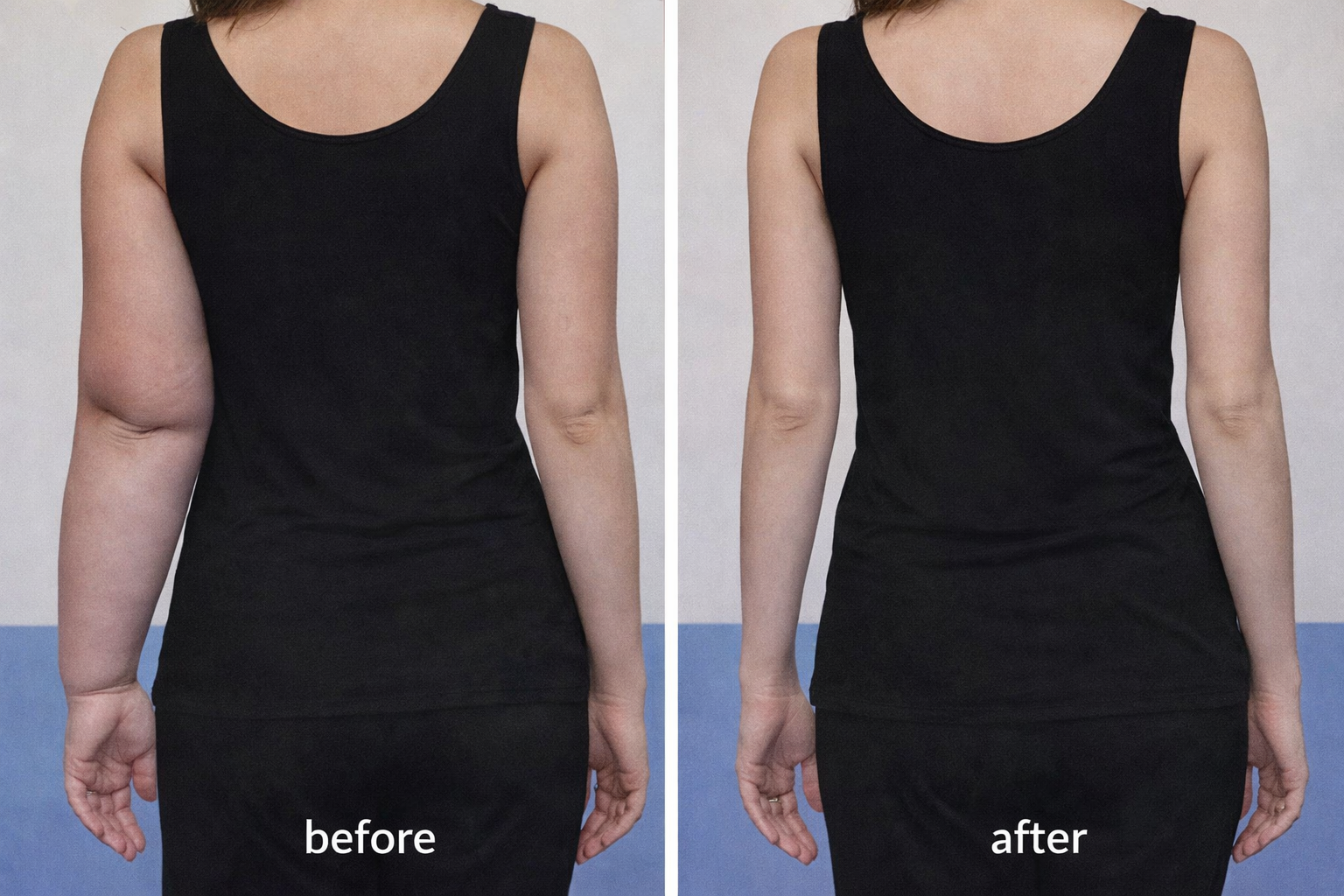
Lymphedema therapy using Complete Decongestive Therapy (CDT) helps manage chronic swelling, protein-rich fluid buildup, and discomfort related to lymphedema, lipedema, phlebo-lymphedema, and recurrent swelling conditions. Sessions include manual lymphatic drainage, bandaging, skin care, and remedial exercises.
Sessions are performed by Certificated Lymphedema Therapist ONLY
pricing: $149/session
Deep Tissue Sport Tuina
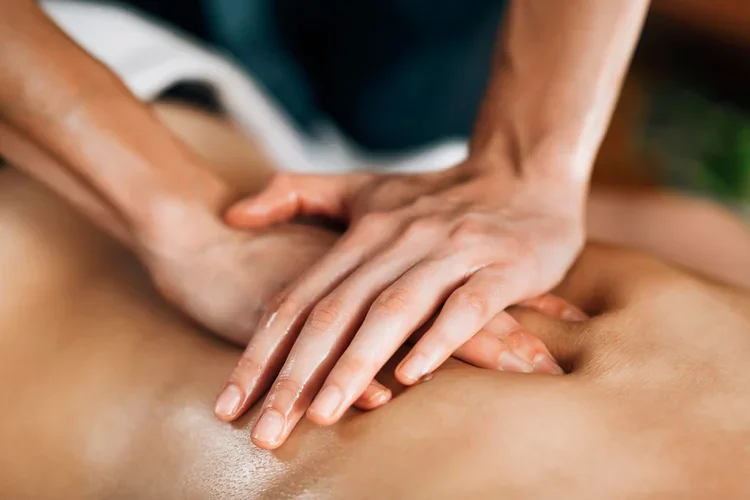
Targets deeper layers of muscle and connective tissue to release tension, improve flexibility, and support functional movement.
Pricing: $99/60min, $149/90min, $199/120min *
Relaxation & Rejuvenation
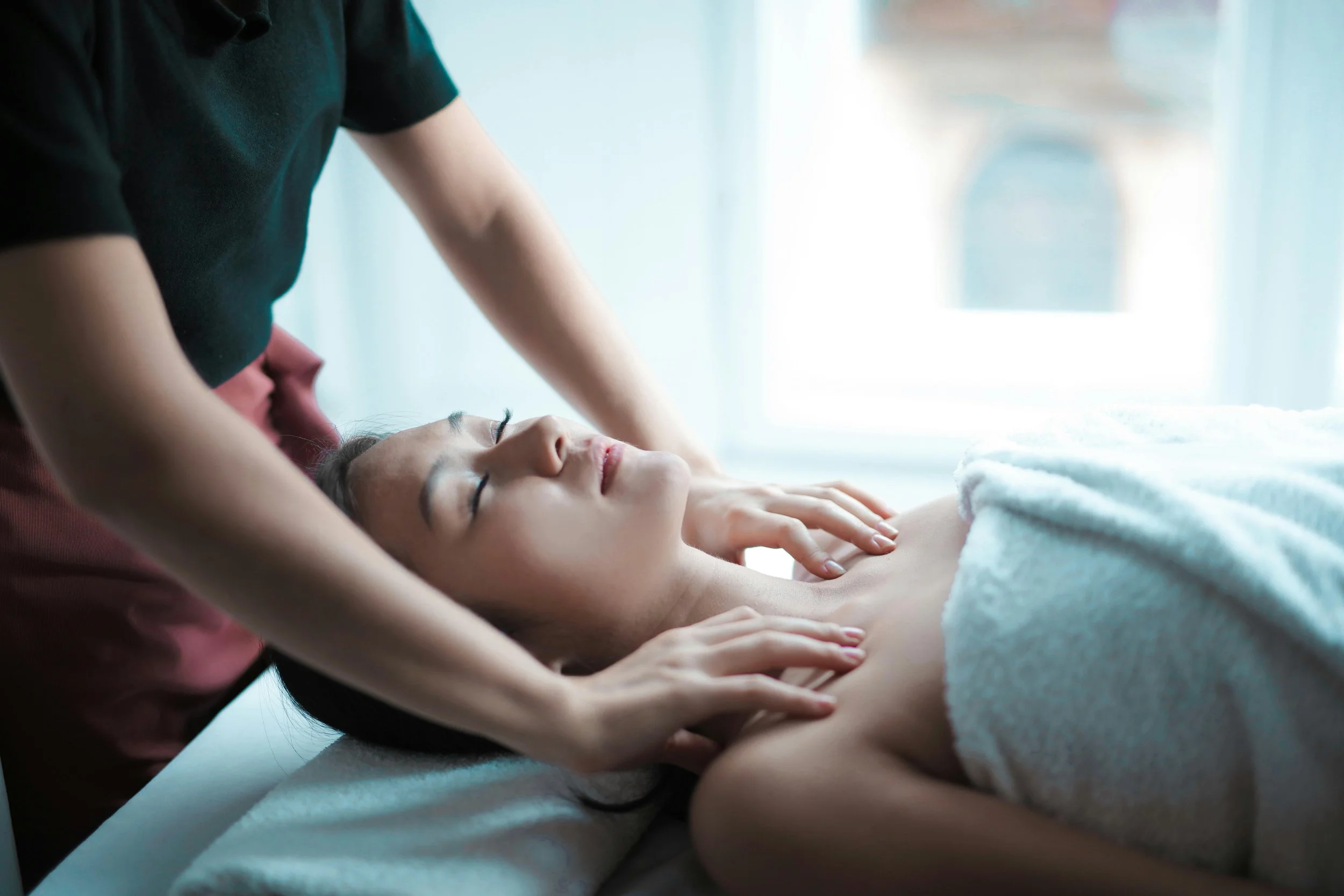
Stress is a common precursor to many diseases when left unmanaged. Our Relaxation Massage helps calm the nervous system, reduce stress, and support overall physical and mental well-being..
Pricing: $99/60min, $149/90min, $199/120min *
MASSAGE ENHANCEMENTS
Fire Cupping Therapy
Cupping is a traditional Chinese therapy that involves placing cups on the skin to treat various conditions and promote many benefits:
Reduces pain and inflammation
Decreases muscle tightness
Improves blood flow
Increases range of motion
and MORE
Pricing: $35 add-on

Aromatherapy
This holistic healing practice utilizes the inhalation or topical application of essential oils to enhance physical, mental, and emotional well-being.
Stress reduction
Improve sleep quality
Mood enhancement
Detox
Headache relief
Pricing: $25 add-on

* All prices shown include discount for paying by end of session service
Massage Modalities
Synergy Massage customizes every session to suit each client’s needs by blending a variety of modalities to give you the best experience possible.
-
Tui Na therapy is a traditional Chinese therapeutic practice that incorporates a combination of massage, acupressure, and manipulation techniques. Many techniques used for sports massage are derived from Tui Na therapy. Our practitioners skillfully adjust pressure, force, and speed to provide a gentler, more energetic treatment or a robust deep-tissue approach, addressing deep blockages and knots to restore lost sensations. The focus includes massaging muscles and tendons, reviving the body through manipulation techniques, and restoring muscle and joint function with passive joint movements.
Tui Na massage embraces a variety of techniques, encompassing acupressure, myofascial release, and reflexology, as well as incorporating elements from osteopathy and chiropractic, including stretching and joint mobilizations.
-
Deep tissue massage is a therapeutic technique that focuses on reaching the deeper layers of muscles and connective tissues. During a deep tissue massage, the therapist applies firm pressure and slow strokes to target specific areas of tension and chronic muscle knots. This technique is particularly effective in breaking down adhesions (bands of rigid tissue) and relieving chronic patterns of tension. Deep tissue massage can enhance blood flow, reduce inflammation, and alleviate muscle pain and stiffness. The benefits extend to improved range of motion, enhanced flexibility, and an overall sense of relaxation and well-being. Whether addressing specific issues or promoting general muscle health, deep tissue massage is valued for its ability to release deeply rooted tension and foster lasting relief.
-
Trigger point therapy is a specialized form of massage that targets specific areas of muscle tension, known as trigger points. These are hyperirritable knots or nodules within muscle fibers that can cause localized pain or refer pain to other areas of the body. During a trigger point therapy session, a skilled therapist applies focused pressure to these knots, aiming to release tension and alleviate pain. The pressure helps to break down the tightness in the muscle fibers, promoting increased blood flow and oxygen to the affected area. This therapy can lead to the reduction or elimination of pain, improved flexibility, and enhanced overall muscle function. Additionally, it may contribute to better posture and a greater range of motion. Trigger point therapy is often sought for its ability to provide targeted relief for specific muscular issues and is commonly used in conjunction with other massage techniques to address various musculoskeletal concerns.
-
Myofascial release is a therapeutic technique that focuses on the fascial system, a network of connective tissues surrounding muscles, bones, and organs. The goal of myofascial release is to address restrictions and tightness within the fascia, which can result from trauma, inflammation, or poor posture. During a myofascial release session, a practitioner uses gentle sustained pressure and stretching to release adhesions in the fascia, promoting increased flexibility and reducing pain. This technique helps to restore the natural length and elasticity of the fascial tissues, improving overall movement and function. Myofascial release can be particularly beneficial for alleviating chronic pain, improving posture, and enhancing athletic performance. By addressing the fascial system, this therapy aims to enhance the body's natural balance and promote a sense of well-being.
-
Swedish massage is a popular and classic massage technique that aims to relax the entire body by utilizing various strokes such as effleurage, petrissage, and tapotement. During a Swedish massage, the therapist applies long, gliding strokes in the direction of blood flow, kneading and circular movements, and rhythmic tapping to promote relaxation and ease muscle tension. This method not only induces a state of deep relaxation but also enhances blood circulation, reducing muscle toxins and improving overall flexibility. The benefits of Swedish massage extend beyond relaxation, including stress reduction, relief from muscular tension, and improved joint mobility. It is a versatile and widely practiced form of massage that caters to individuals seeking both relaxation and therapeutic effects, making it a cornerstone in the world of massage therapy.
-
Proprioceptive Neuromuscular Facilitation (PNF) is a therapeutic technique used to enhance flexibility and restore range of motion in muscles and joints. PNF involves a combination of stretching and contracting muscle groups. Typically, it includes a passive stretch, followed by an isometric contraction of the targeted muscle, and then a passive stretch again. This process encourages a deeper and more effective stretch, promoting increased flexibility and joint mobility. PNF is often employed in rehabilitation and sports training settings to improve muscle function, reduce muscle imbalances, and enhance overall flexibility. The benefits extend to improved muscular strength, increased range of motion, and a reduction in muscle tightness and stiffness. PNF techniques are adaptable and can be tailored to specific muscles or joints, making it a valuable tool for addressing various musculoskeletal issues.